
TL;DR – Key Takeaways
- Your child’s brain forms over 1 million new connections every second in the first 3 years.
- Strong emotional bonds build the foundation for confidence and learning.
- A safe, stimulating environment helps children explore and develop their senses.
- Follow your child’s lead in play — it strengthens creativity, problem-solving, and connection.
- Respect your child’s unique pace — avoid rushing milestones.
- Partner with teachers for consistent care and learning at home and preschool.
- Every cuddle, story, and shared laugh helps your child’s brain grow strong and happy.
Did you know that in the first three years of life, your child’s brain forms over one million new connections every second? These early years are an incredible period of growth — your child’s brain doubles in size by their first birthday and reaches about 80% of its adult size by age three.
At KidsCampus, we understand how important this window is. The early experiences your child has — the love they feel, the play they enjoy, and the people who care for them — all shape how their brain develops and how they learn for life.
Here are some simple but powerful ways you can nurture your little one’s development during these precious years.
- Connection Comes First
The most important ingredient in early learning isn’t a fancy toy or flashcard — it’s you. Warm, consistent, and responsive relationships help children feel safe, secure, and ready to explore the world.
Try this:
- Be present in your interactions — make eye contact, smile, and respond to your child’s cues.
- Build comforting routines like bedtime reading or morning cuddles.
- Don’t rush milestones — every child develops at their own pace, and feeling supported gives them confidence to try new things.
When children feel valued and understood, they’re not only happier — their brains actually build stronger neural pathways for learning and emotional regulation.
- Create a Safe and Stimulating Environment
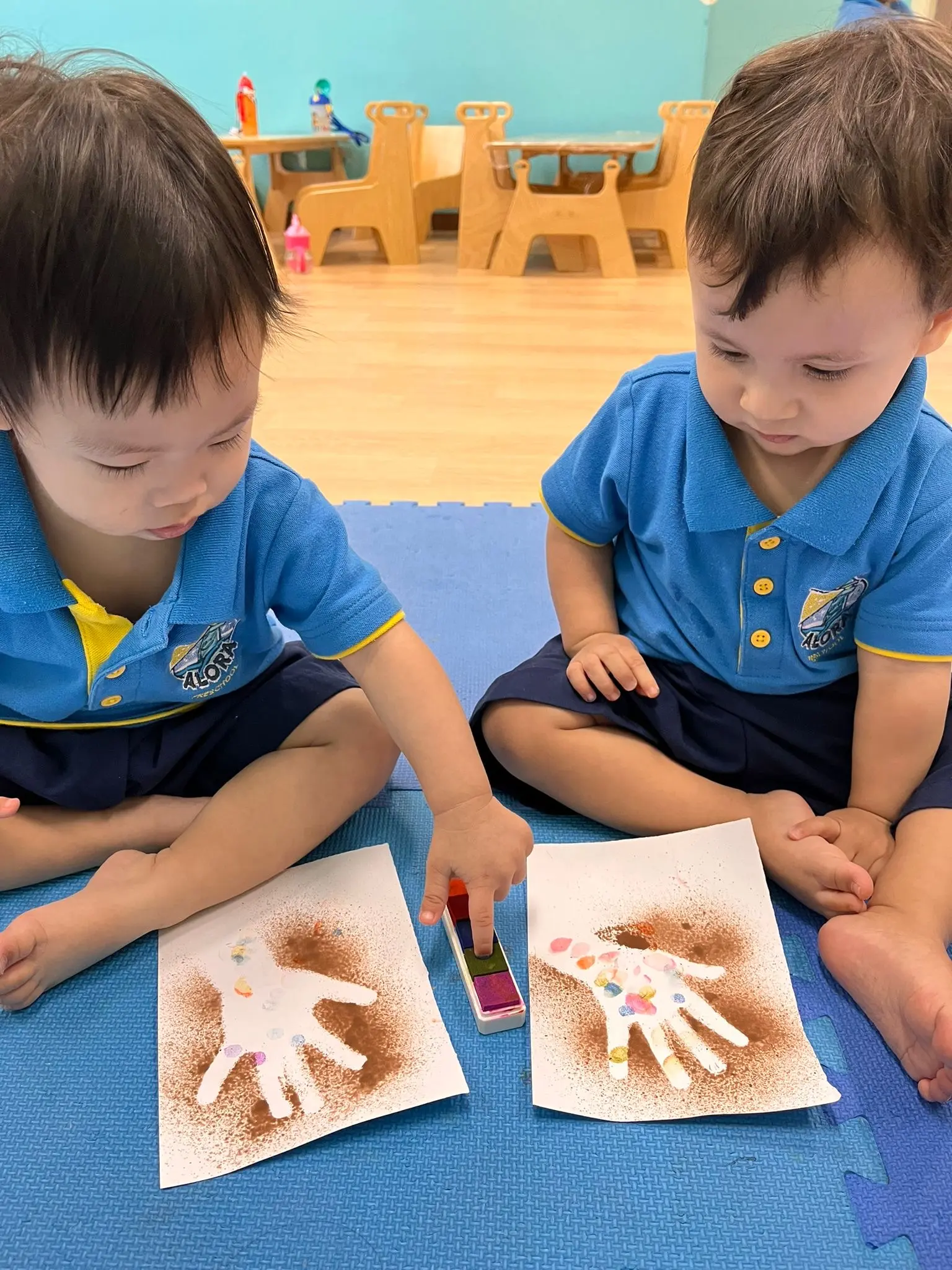
Young children learn best when they can move, explore, and experiment freely. A safe and engaging environment encourages curiosity and builds essential motor and thinking skills.
Try this:
- Set up age-appropriate play spaces with different textures, colours, and objects your child can safely touch and manipulate.
- Encourage sensory play — water, sand, soft fabrics, and musical toys all help stimulate the senses.
- Offer open-ended materials that let children explore, rather than toys that only do one thing.
Exploration is how children make sense of their world — every push, pull, and splash helps wire their brain for future learning.
- Follow Their Lead in Play
Play is the language of childhood. When you follow your child’s interests, you show them their ideas matter — this builds confidence and strengthens your bond.
Try this:
- Engage in back-and-forth games like peek-a-boo, action songs, or simple imitation play.
- Offer choices (“Would you like the blue ball or the yellow one?”) to help them build independence.
- Observe what captures your child’s attention and adapt — if they lose interest, shift gears instead of insisting.
Play that is child-led and responsive supports problem-solving, creativity, and self-regulation — all key building blocks for future learning.
- Respect Your Child’s Developmental Pace
Every child’s journey unfolds differently. Some walk early, some talk later — and that’s perfectly okay. Trying to rush a child to reach milestones can create unnecessary stress and reduce motivation to learn.
Try this:
- Celebrate small steps rather than focusing on comparison.
- Provide gentle encouragement and time for repetition — mastery comes through practice.
- Create calm spaces when your child feels overstimulated, helping them regulate their emotions.
When children are supported at their own pace, they develop confidence, curiosity, and resilience.
- Build a Strong Home–Preschool Partnership
Children thrive when parents and teachers work together. A shared understanding of your child’s needs ensures consistent care and learning experiences across home and preschool.
Try this:
- Communicate regularly with your child’s teachers about routines, progress, and challenges.
- Exchange ideas for supporting milestones — from toilet training to speech development.
- Approach feedback positively and collaboratively — it helps everyone focus on your child’s well-being.
Trust and teamwork between parents and teachers create a nurturing environment that helps children feel safe and confident to grow.
The Takeaway: Every Moment Matters
Your child’s brain is growing faster now than at any other time in life. Every cuddle, story, song, and shared laugh helps shape who they become.
At KidsCampus, we partner with families to provide the responsive care, stimulating environments, and joyful experiences that build strong foundations for lifelong learning.
Together, we can make every moment count — because these early years truly matter most.


